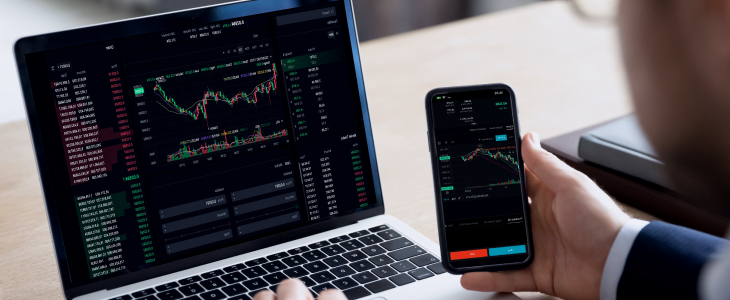
In the world of Forex trading, trading signals forex Trader APK has become an essential tool for traders seeking to improve their profitability. Trading signals can either be a game-changer or a stumbling block, depending on how well they are understood and utilized. This article will delve into the significance of forex trading signals, the various sources from which they can be obtained, and tips for effectively incorporating them into your trading strategies.
What are Forex Trading Signals?
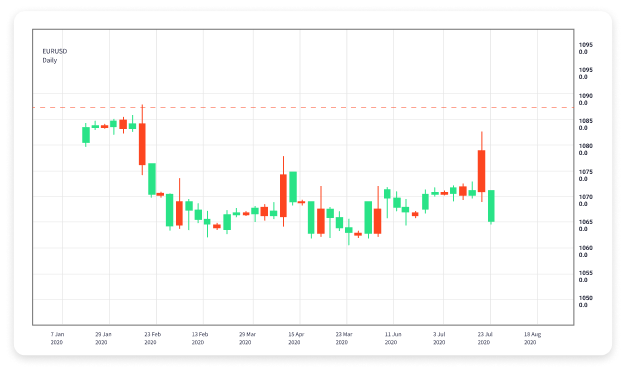
Forex trading signals are essentially notifications or suggestions provided to traders indicating when to buy or sell a currency pair. These signals can come from various sources, including expert analysts, automated systems, or specialized trading platforms. The signals typically include details about the specific currency pair to trade, the recommended entry and exit points, as well as stop-loss and take-profit levels.
Types of Trading Signals
Understanding the different types of trading signals can help traders select the best options suited for their needs. Here are the main types:
- Manual Signals: These are generated by professional traders or analysts who analyze market trends and provide recommendations to their subscribers. Manual signals are often based on comprehensive technical and fundamental analysis.
- Automated Signals: These signals are generated by algorithms and trading bots that analyze market data in real-time. Automated signals are efficient and can operate 24/7, but they may lack the contextual insights a human trader would provide.
- Social Trading Signals: With the rise of social trading, many platforms offer signals based on the performance of successful traders. New traders can automatically copy the trades of seasoned professionals, following their strategies and benefiting from their expertise.
Importance of Forex Trading Signals
Forex trading signals are important for several reasons:
- Time-Saving: Analyzing the Forex market requires considerable time and effort. Subscribing to trading signals can save traders significant time while still providing valuable insights into market conditions.
- Objective Decision-Making: Trading signals reduce the emotional aspect of trading, allowing traders to make decisions based on data rather than impulses.
- Enhanced Trading Strategies: By incorporating trading signals into their plans, traders can refine their strategies, leading to potentially higher returns.
How to Choose the Right Trading Signal Provider
With numerous providers in the market, selecting the right trading signal service can be challenging. Here are some key factors to consider:
- Reputation: Researchers often rate providers based on their accuracy, reliability, and customer reviews. A reputable provider will have a proven track record of delivering profitable signals.
- Transparency: The best signal providers are transparent about their performance records. They should provide historical data to allow traders to evaluate their success rates.
- Cost: Some providers offer free signals, while others charge a subscription fee. It’s crucial to weigh the cost against the potential returns to determine if the service is worth the investment.
- Customer Support: Reliable customer support can be invaluable, especially when traders encounter issues or have questions about the signals provided.
Integrating Signals into Your Trading Strategy
Once you’ve selected a signal provider, the next step is to effectively integrate those signals into your trading strategy. Here are some tips on how to do that:
- Start Small: When beginning with trading signals, start with a small investment to test the accuracy of the signals before committing larger amounts of capital.
- Customize Your Approach: Adjust the signals to fit your trading style. For example, if you are a long-term trader, you might be less concerned with short-term signals.
- Combine with Your Analysis: Use the signals as a part of a larger trading strategy. Cross-reference signals with your analysis and market insights to validate trading decisions.
- Maintain Discipline: Stick to the recommended stop-loss and take-profit levels to manage risks effectively. Overtrading or deviating from the strategy can result in significant losses.
Potential Risks of Relying on Trading Signals
While trading signals can be beneficial, traders should also be aware of the potential risks associated with them:
- Over-Reliance: Relying solely on trading signals without conducting your own analysis can lead to poor decision-making and losses.
- Market Volatility: Forex markets can be volatile, and signals may become outdated quickly. Traders must be prepared to adapt to sudden market changes.
- False Signals: No signal provider is infallible. Traders can encounter false signals that may lead to losses if not approached carefully.
Conclusion
Forex trading signals can be integral to a successful trading strategy, providing valuable insights and guidance. By understanding their types, benefits, and how to integrate them into your trading approach, traders can enhance their decision-making process and potentially improve their profitability. With careful selection and use, trading signals can be a powerful ally in the ever-evolving world of Forex trading.
As you embark on your trading journey, remember to stay informed, practice patience, and never stop learning. The combination of your knowledge and effective trading signals can help you navigate the complexities of the Forex market and achieve your financial goals.