How Azerbaijani Players Can Use Limits, KYC, and Self-Exclusion
In Azerbaijan, the conversation around gambling is increasingly focused on safety and personal control. While the activity exists within a specific legal framework, the most critical aspect for any participant is understanding and utilizing the tools designed for protection. This guide examines the practical mechanisms available, such as deposit limits, identity verification processes, and self-exclusion options, which are essential for maintaining a balanced approach. These systems form a crucial safety net, and their effective use is a cornerstone of responsible participation. Awareness of these tools, including platforms like pinco az that implement them, empowers individuals to make informed decisions and safeguard their well-being within the Azerbaijani context.
Understanding the Legal and Regulatory Landscape in Azerbaijan
The regulation of gambling activities in Azerbaijan is defined by national legislation, which sets the parameters for legal operation and consumer protection. The legal framework establishes the foundation for all player safety measures, mandating that any authorized operator must integrate specific protective tools. This regulatory environment is designed not to promote participation, but to ensure that where it occurs, it is conducted with stringent oversight and mandatory safeguards for citizens. The focus is on creating a controlled system that prioritizes verification, transparency, and the availability of self-help mechanisms, aligning with broader efforts to address potential social risks associated with gambling.
Key Regulatory Requirements for Operator Compliance
For an operator to be compliant within Azerbaijan, adherence to several non-negotiable standards is required. These requirements are enforced to protect the interests and security of players, ensuring a baseline of safety across the board. The rules are not merely bureaucratic; they are functional safeguards built into the user experience.
- Mandatory identity verification (KYC) before any financial transactions can be processed.
- Clear display of responsible gambling information and links to support resources in the Azerbaijani language.
- Implementation of technical systems allowing players to set personal deposit and loss limits.
- Provision of a straightforward and irreversible self-exclusion mechanism for periods determined by the player.
- Obligation to monitor activity for signs of problematic behavior and to intervene appropriately.
- Secure handling and encryption of all personal and financial data in line with data protection principles.
- Prohibition of offering credit to players for the purpose of gambling.
- Restrictions on advertising content to prevent targeting vulnerable groups.
Personal Financial Limits – The First Line of Defense
Setting personal financial boundaries is the most proactive step an individual can take. These are not restrictions imposed as punishment, but empowering tools that help maintain leisure activities within the confines of one’s personal budget. In Azerbaijan, where managing household finances is a common priority, these tools align with sensible financial planning. They function as automated brakes, preventing impulsive decisions that could lead to spending beyond predetermined amounts.
The psychology behind limit-setting is straightforward: it creates a cooling-off period. Once a daily, weekly, or monthly limit is reached, the system prevents further deposits, forcing a pause. This pause is often enough to break a cycle of chasing losses or making decisions in the heat of the moment. Modern platforms allow these limits to be set easily within account settings, and crucially, increasing a limit usually involves a mandatory waiting period-often 24 hours-to prevent rash changes during emotional moments. For a quick, neutral reference, see responsible gambling overview.
Types of Limits You Can Implement
Financial control tools are typically granular, allowing for customization based on an individual’s circumstances. Understanding the different types helps in creating a comprehensive personal strategy.
| Limit Type | Primary Function | Typical Implementation |
|---|---|---|
| Deposit Limit | Caps the total amount of money that can be transferred into a gaming account over a set period. | Can be set for 24 hours, 7 days, or 30 days. The most fundamental control. |
| Loss Limit | Automatically suspends play once net losses reach a predefined threshold for a session or period. | Helps manage risk by defining a maximum acceptable loss, preserving bankroll. |
| Wagering Limit | Restricts the total amount of bets placed within a specific timeframe. | Controls the volume of activity, slowing down the pace of play. |
| Session Time Limit | Issues alerts or logs the user out after a continuous period of activity. | Promotes breaks, reducing fatigue and impulsive decision-making. |
| Reality Check | Regular pop-up notifications displaying time spent and money wagered during a session. | Provides objective feedback, breaking the immersive flow of play. |
KYC Verification – More Than Just a Formality
Know Your Customer (KYC) procedures are often viewed as a bureaucratic hurdle. However, in the context of Azerbaijan, they serve as a critical player protection and security measure. The process of verifying identity, age, and residence is the gate that prevents underage access and ensures the person controlling the account is who they claim to be. This protects the individual from identity theft and fraudulent use of their financial means. For the ecosystem, it helps combat money laundering and ensures the integrity of financial transactions, which is a priority for Azerbaijani regulatory bodies.
The standard KYC process requires submitting official documents, such as a national ID card or passport for identity, and a recent utility bill or bank statement for proof of address. Reputable systems process this information securely and use it solely for verification purposes. The completion of KYC is not the end of its protective role; it also enables operators to properly monitor account activity for signs of problem gambling linked to a verified identity, allowing for more meaningful interventions if unusual patterns are detected. For general context and terms, see RTP explained.
Self-Exclusion – A Powerful Tool for Taking a Break
Self-exclusion is a voluntary agreement where an individual requests to be barred from accessing gambling services for a chosen period. In Azerbaijan, recognizing when one needs a complete break is a sign of self-awareness. This tool is designed for those who feel their habits are becoming difficult to manage or who simply wish to remove the temptation for a substantial period. It is a definitive action that supports other life goals and financial stability.
The effectiveness of self-exclusion hinges on its terms. A robust system offers multiple duration options, from a minimum of six months to several years, or even permanently. During the self-exclusion period, the individual cannot reopen the account or create a new one, as the system blocks access based on the verified identity information from KYC. It is also advisable to use multi-operator self-exclusion schemes where available, which extend the ban across multiple platforms. Crucially, this decision should be coupled with seeking support from professional organizations that can help address the underlying behaviors.
Steps to Enact a Meaningful Self-Exclusion
To be effective, self-exclusion must be approached with seriousness and an understanding of the process. A half-hearted attempt will not yield the intended protective results.
- Make a deliberate decision during a calm moment, not in a state of emotional distress after a loss.
- Access the responsible gambling section of your account and locate the self-exclusion tool.
- Review all available duration options carefully and choose a sufficiently long period-six months is often a recommended minimum.
- Understand that the action is irreversible for the chosen period; you will not be able to reverse it early.
- Consider requesting exclusion from all promotional communications like emails and SMS alerts.
- Use the time away to engage in alternative hobbies and activities that you enjoy.
- If feelings of urge persist, contact a local support service for confidential advice and counseling.
- After the exclusion period ends, you will not be automatically reinstated; a deliberate request is required, which includes a mandatory cooling-off period.
Integrating Protection Tools into Daily Habits
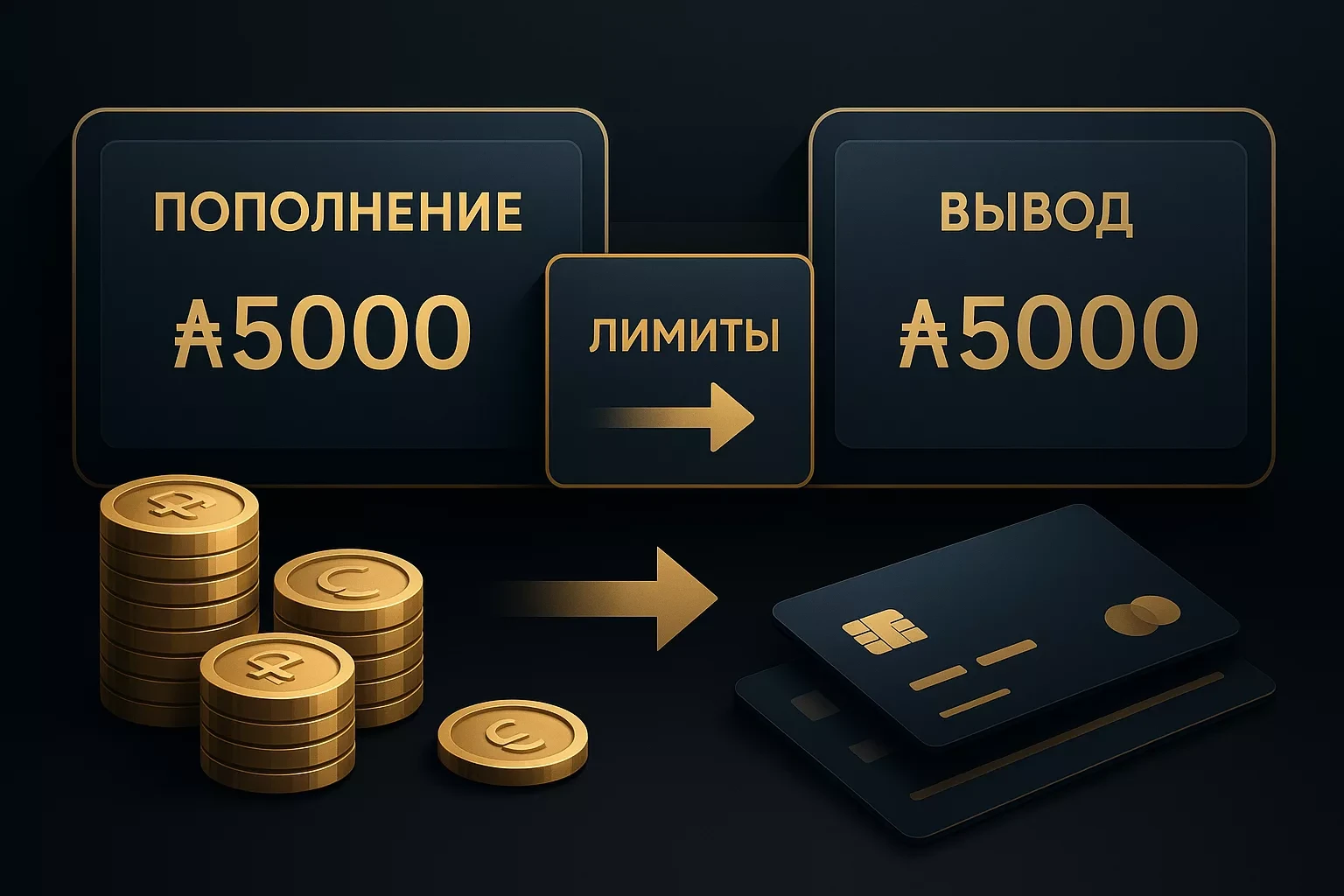
Technology alone cannot guarantee responsible behavior; it must be paired with personal mindfulness. For Azerbaijani players, integrating these tools into a routine is similar to other financial discipline practices, like budgeting. The most secure approach is to set limits proactively, immediately after account verification, based on disposable income calculations. Treating these limits as fixed, non-negotiable parameters, much like a monthly bill, removes the daily burden of decision-making and creates a sustainable framework.
Regular self-assessment is also key. Periodically reviewing account history to track time and money spent provides objective data. If the numbers cause concern, or if gambling is impacting responsibilities, mood, or relationships, it is a clear signal to utilize the more stringent tools like self-exclusion. The cultural value placed on family and community in Azerbaijan can be a strong motivator; protecting one’s financial health is intrinsically linked to maintaining stability and harmony within the household.
Recognizing Early Warning Signs
Awareness of behavioral shifts can prompt earlier intervention, making the use of protective tools more effective. These signs often manifest subtly before becoming severe problems.
- Spending more time or money than originally intended on a regular basis.
- Thinking excessively about gambling activities or past sessions.
- Chasing losses with the belief that the next bet will solve financial problems.
- Borrowing money or selling possessions to fund gambling.
- Neglecting work, family, or social obligations due to gambling.
- Lying to friends or family about the extent of involvement.
- Feeling restless or irritable when trying to cut down or stop.
- Using gambling as a way to escape from stress, anxiety, or personal issues.
The Role of Support Networks and Professional Resources
While personal tools and limits are vital, external support forms the other pillar of a comprehensive protection strategy. In Azerbaijan, seeking help is a proactive step towards well-being. Local resources, including helplines and counseling services, provide confidential support from professionals who understand the specific social and cultural context. These services are not solely for those in crisis; they can also offer guidance on preventative strategies and healthy habit formation.
Engaging with trusted family members or friends about one’s limits can also create a layer of social accountability. Sharing the decision to set a deposit limit or to take a break can make it more concrete and provide encouragement. The evolving dialogue around mental health and financial responsibility in Azerbaijani society is making it easier to approach these topics without stigma, emphasizing that protection is about maintaining control and enjoying leisure activities without negative consequences.
The landscape of player protection is built on the synergy between robust regulatory frameworks, effective technological tools, and personal responsibility. For individuals in Azerbaijan, mastering the use of limits, understanding the purpose of KYC, and knowing how to enact self-exclusion are practical skills that safeguard financial and personal health. By viewing these mechanisms as features of empowerment rather than restriction, a culture of informed and balanced participation can be fostered, ensuring that leisure remains a positive aspect of life.