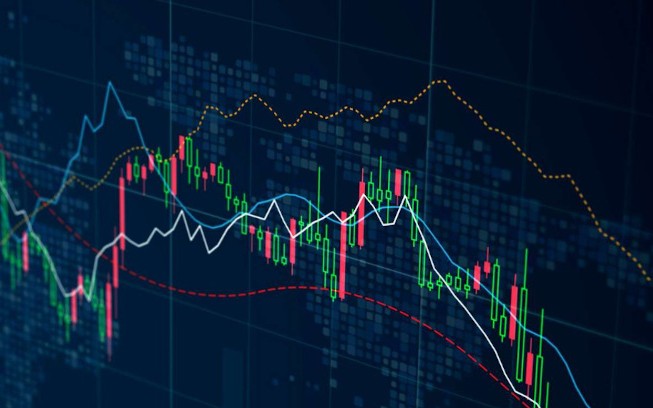
Forex trading, or foreign exchange trading, is one of the most accessible and lucrative financial markets available today. With trillions of dollars traded every day, it offers incredible opportunities for those willing to understand its complexities. In this extensive guide aimed at forex trading beginners https://trading-bd.com/, we will cover everything you need to know to get started, from the basic concepts to advanced trading strategies.
Understanding Forex Trading
The foreign exchange market is a decentralized market for trading currencies. Unlike stock markets, which are centralized, Forex operates through a global network of banks, brokers, and financial institutions. Forex trading involves buying one currency while simultaneously selling another, making it essential to understand currency pairs.
Currency Pairs
In Forex, currencies are traded in pairs, such as EUR/USD (Euro/US Dollar). The first currency in the pair is the base currency, while the second is the quote currency. The price of a currency pair indicates how much of the quote currency is needed to buy one unit of the base currency. For beginners, it’s crucial to start with major currency pairs, which typically have higher liquidity and lower spreads.
Key Terminology
- Pips: A pip is the smallest price move that a given exchange rate can make based on market convention.
- Leverage: This allows traders to control larger positions with a relatively small amount of capital, amplifying both potential profits and risks.
- Spread: The spread is the difference between the bid and ask price of a currency pair. Understanding spreads is critical as it impacts your overall trading costs.
- Lot Size: Forex trading is usually conducted in specific amounts called lots. A standard lot is 100,000 units of currency.
How to Start Forex Trading

1. Educate Yourself
The first step in your Forex journey is education. Familiarize yourself with Forex terms, market dynamics, and trading strategies. There are numerous resources available, including online courses, books, and forums. The better you understand the market, the more confident you will be in your trades.
2. Choose a Reliable Forex Broker
Selecting the right broker is pivotal in your trading experience. Look for a broker that is regulated, has favorable trading conditions, and offers a user-friendly trading platform. Pay attention to the fees, spreads, leverage options, and customer service. Reading reviews and doing thorough research will help you make an informed decision.
3. Open a Demo Account
Before risking real money, practice your trading skills on a demo account. Most brokers offer demo accounts that simulate live market conditions. Use this opportunity to test different strategies, manage risk, and get comfortable with the trading platform.
4. Develop a Trading Plan
A trading plan is your roadmap to successful trading. It should outline your trading goals, risk tolerance, and strategies. Factors to consider include your trading style (scalping, day trading, or swing trading), how much time you can dedicate to trading, and your exit strategies. A well-defined plan will help you make disciplined decisions and avoid emotional trading.
5. Risk Management
Risk management is crucial in Forex trading to protect your capital. Never risk more than a small percentage of your trading capital on a single trade. Use stop-loss orders to limit potential losses and establish a risk-reward ratio before entering trades. Understanding how to manage your risk will help you survive in the long run.
Common Trading Strategies for Beginners
1. Trend Following

This strategy involves identifying and following the direction of the market. Traders often use technical analysis tools to spot trends and make trades in the direction of the trend. Trend following can be effective, but it requires patience and discipline.
2. Range Trading
Range trading focuses on identifying price ranges where a currency pair tends to remain. Traders buy at support levels and sell at resistance levels, making this strategy suitable for sideways markets. Keeping an eye on moving averages can help provide a clearer picture of possible entry and exit points.
3. Breakout Trading
This strategy capitalizes on price movements that occur after a currency pair breaks through a significant support or resistance level. Traders often set pending orders just above resistance or below support to catch potential breakouts. It can offer large profit potential but carries higher risks.
Emotional Aspect of Trading
Emotions play a significant role in Forex trading and can heavily influence your decisions. Even experienced traders can struggle with fear, greed, and impatience. Developing emotional discipline is essential; stick to your trading plan and avoid impulsive decisions based on emotions.
Using Trading Tools and Technology
Incorporating technology and tools can enhance your trading experience. Many traders use advanced platforms that offer charting software, technical indicators, and algorithmic trading solutions. Familiarizing yourself with these tools can improve your analysis and trading efficiency.
Final Thoughts
Forex trading presents countless opportunities, but it also comes with inherent risks. As a beginner, take your time to learn, practice extensively, and develop a solid trading plan. Focus on continuous education, risk management, and emotional discipline. With dedication and the right approach, you can navigate the Forex market effectively and potentially achieve financial success.